October is recognized globally as Cybersecurity Awareness Month, but in the IT world, it carries a starker label: Black October. As generative AI makes cyberattacks easier to execute, automate, and scale, F&B businesses are finding themselves directly in the crosshairs of modern threat actors.
Many F&B operators assume security is only about credit card data at the Point of Sale (POS). However,modern restaurant management relies on a deeply connected ecosystem. AI scrapers and automated bots don’t just target payment terminals—they exploit vulnerable loyalty programs and online reservation systems, turning customer databases and operational integrations into high-value targets.
The AI Threat Multiplier: Expanding Beyond the POS
With AI automation tools readily available on dark web marketplaces, attackers can scan hundreds of restaurant platforms simultaneously for weak API keys and outdated firmware.
1. Loyalty Systems: The Goldmine for Personally Identifiable Information (PII)
Loyalty programs store customer names, phone numbers, birthdates, email addresses, and dining history.
- The AI Threat: Attackers run automated Credential Stuffing bots that use leaked password databases to hijack customer accounts, steal accumulated loyalty points, and extract private contact details to execute targeted phishing scams.
- The Business Impact: A leak of customer PII exposes your brand to heavy fines under Singapore’s Personal Data Protection Act (PDPA) and destroys consumer trust overnight.
2. Reservation Platforms: Live Operational Sabotage
Online booking modules connect public-facing web widgets directly to back-of-house table management systems.
- The AI Threat: Threat actors use automated bots to flood reservation portals with fake bookings (“ghost reservations”) during peak hours, locking out genuine diners and wiping out weekend cover revenue.Alternatively, hackers compromise admin access to alter booking data or harvest VIP guest details.
- The Business Impact: Immediate loss of table turnover, confused floor staff, and compromised guest confidentiality.
3. POS & Payment Infrastructure: Ransomware & Infiltration
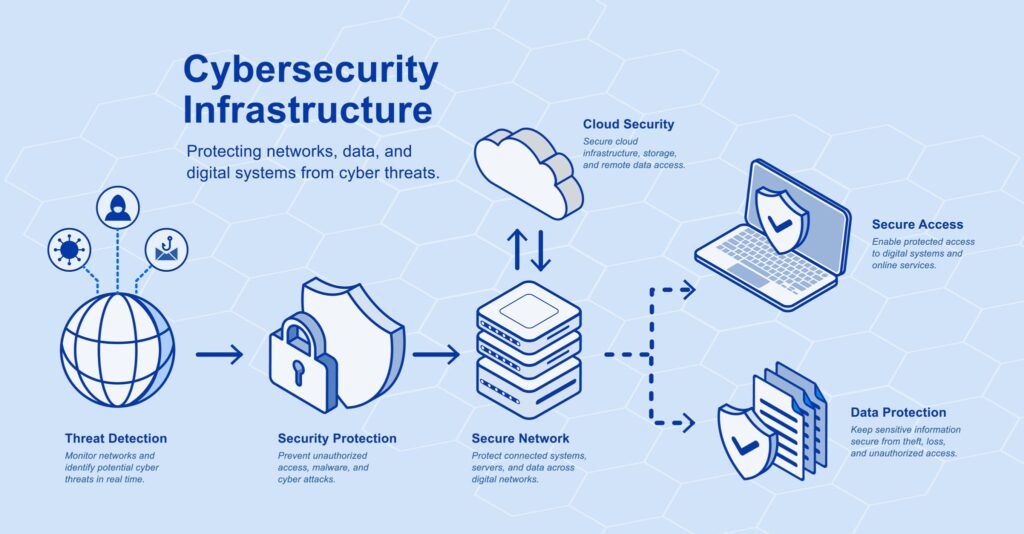
Payment processing terminals remain primary targets for malware designed to intercept cardholder data during transmission.
- The AI Threat: AI-assisted spear-phishing emails trick floor managers into opening malicious links,allowing malware to move laterally from front-desk computers straight into connected payment networks.
Mapping System Risks & Defenses
Securing a modern restaurant tech stack requires looking at all customer touchpoints simultaneously:
| System Touchpoint | Vulnerability Exploited by AI | Essential Protection Protocol |
| POS & Payment Gateway | Unencrypted data flow & shared staff logins | End-to-End Encryption (E2EE), Role-Based Access Control (RBAC) |
| CRM & Loyalty App | Weak password enforcement & API scrapers | Multi-Factor Authentication (MFA), Bot mitigation rate-limiting |
| Reservation Portal | Public API endpoints & bot bookings | CAPTCHA verification, strict API authentication, IP rate-limiting |
| Centralized Cloud Backend | Outdated software versions & weak firewalls | Automated cloud patching, isolated VLAN network segmentation |
End-to-End Security with Aptsys
Managing multiple standalone software platforms leaves dangerous blind spots across your network. At Aptsys, security is designed into every layer of our unified F&B ecosystem—from cloud-synced POS terminals to integrated CRM, loyalty, and booking solutions.
By centralizing your tech stack within Aptsys’ protected architecture, you eliminate third-party integration risks and ensure guest data, payment flows, and bookings are backed by enterprise-grade encryption.
Protect your brand before the year-end rush begins. Speak with our technical team to audit your current POS,loyalty, and booking security setup.