Every vendor in Singapore now says their system uses AI. Very few show the maths. If you’re an F&B owner asking whether AI can reduce manpower costs in your Singapore restaurant, you need more than a promise. You need to know which tasks it takes over, how many hours that frees, and when the system pays for itself.
Here is a realistic breakdown. No robots in the kitchen and no “run your restaurant with zero staff”. Just the jobs AI does well today, and the ones it doesn’t.
Where AI Reduces Manpower Costs in a Singapore Restaurant
AI saves labour where the work is repetitive, rule-based and happens hundreds of times a day. In most outlets, that’s four jobs.
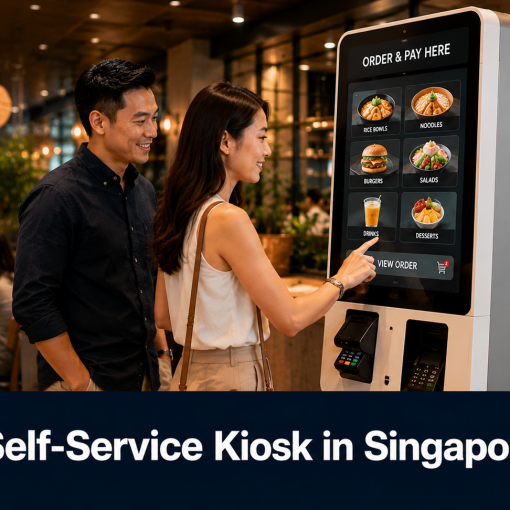
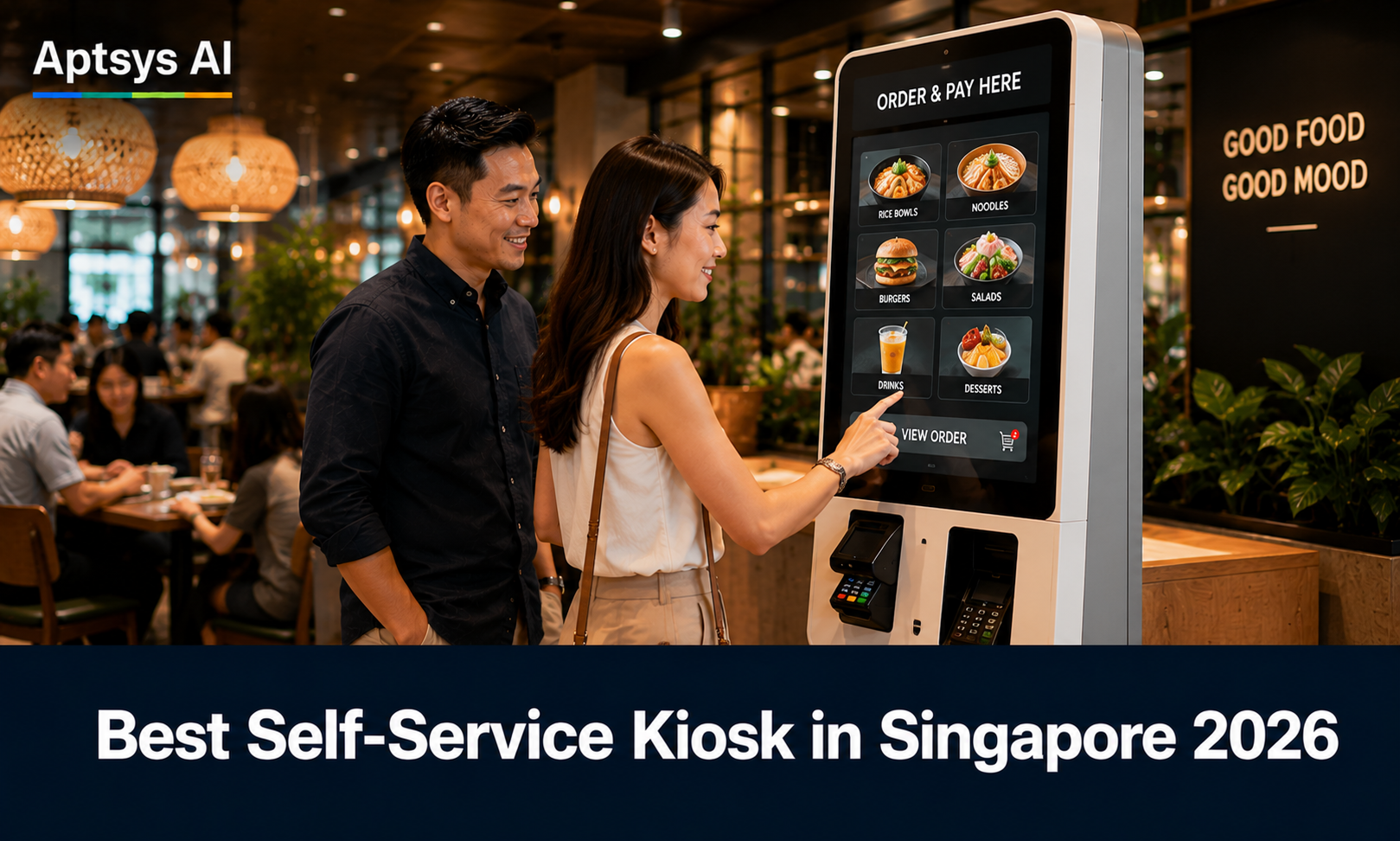
1. Taking orders. A self-service kiosk or QR ordering lets guests order and pay on their own, so no one is tied to the counter for every transaction. During the lunch peak, that one role often takes up two people.
2. Upselling. A good cashier remembers to ask “add a drink?” when it’s quiet. During a rush, they don’t. AI upsell suggests add-ons and combos on every order, every time. Industry figures put the kiosk upsell lift at around 20–30% on average order value. That isn’t a manpower saving, but it raises revenue per staff hour.
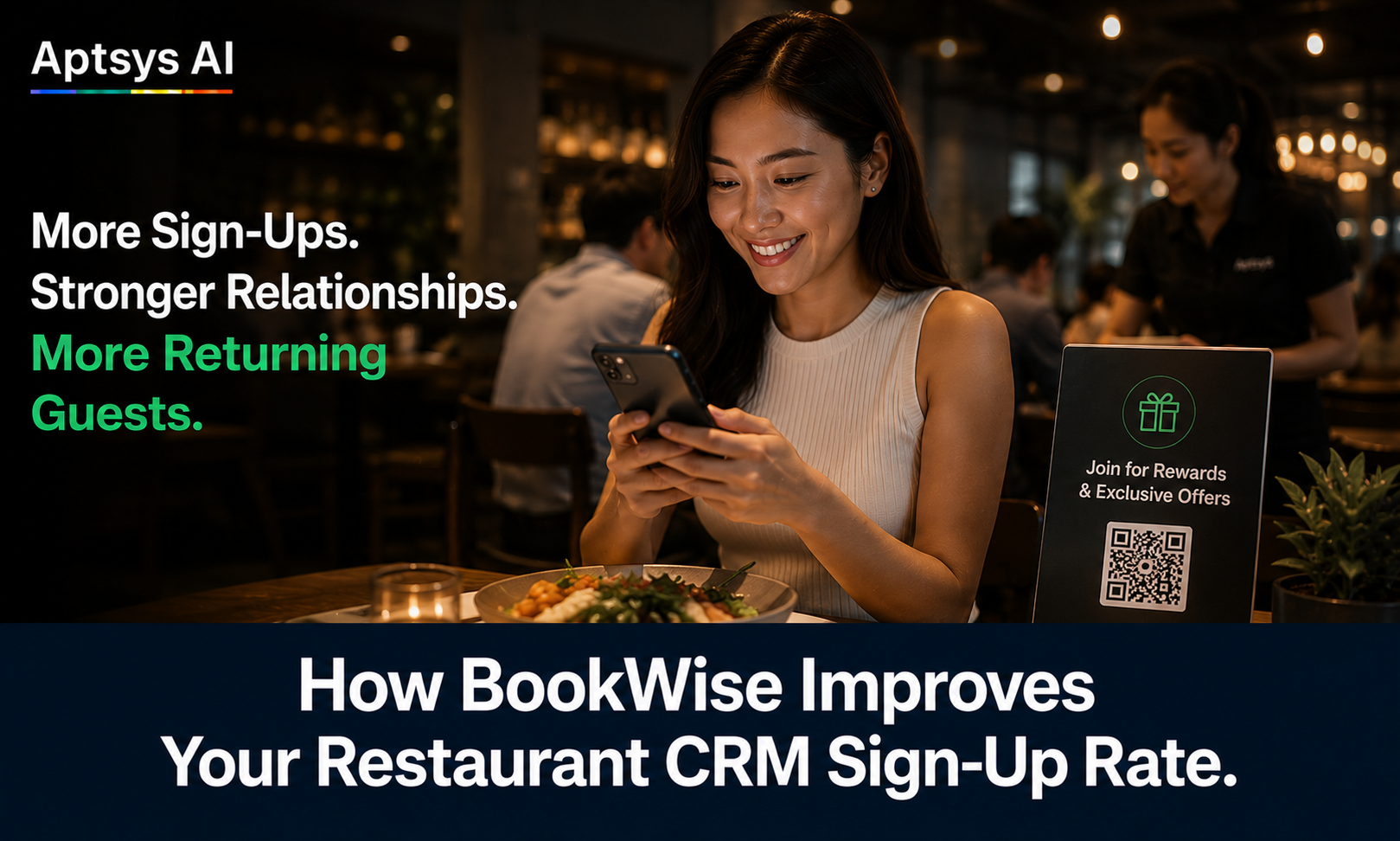
3. Customer follow-up. Birthday offers, win-back messages and “we miss you” vouchers used to mean a manager exporting lists and sending WhatsApps by hand. A CRM with automated campaigns sends them in the background, every week.
4. Answering reservations. Replying to “can book 4 pax Sat 7pm?” messages takes up a surprising amount of floor time. A WhatsApp AI like Bookwise replies 24/7 and sends the booking straight to your dashboard.
What AI Won’t Replace
Cooking, plating, running food, reading a table, calming an unhappy guest, training a new hire: all of this still needs people. As we wrote in Will AI Replace Restaurant Staff in Singapore?, the realistic goal isn’t fewer people in the building. It’s your people doing hospitality instead of admin.
Any pitch claiming AI will cut your headcount in half is selling something else.
A Realistic Breakdown: AI and Manpower Costs for a 60-Seat Outlet
Take a fast-casual outlet open 11am–10pm, seven days a week. (These figures are illustrative. Plug in your own.)
| Task | Before | After AI + kiosk/QR | Staff hours saved per week |
|---|---|---|---|
| Order taking and payment | 2 crew on counter at peaks, 1 off-peak | 1 crew helping guests at kiosk/QR | ~60 |
| Reservation replies | ~1 hr/day by floor staff | AI replies, staff confirm | ~6 |
| Promotions and follow-up | ~4 hrs/week by manager | Automated CRM campaigns | ~3 |
| Total | ~69 |
That’s close to two full-time roles. At an illustrative all-in cost of $2,800 a month per crew member, it comes to about $5,600 a month, or $67,000 a year, before counting the extra revenue from upsell.
Most operators don’t cut two staff on day one. They stop backfilling when someone resigns, cover longer opening hours with the same team, or move a counter person to the floor where service shows. The saving is the same either way: you stop paying for work a system can do.
What It Costs, and How Fast It Pays Back
The other side of the sum is the system cost: kiosk hardware, QR ordering, CRM and reservation subscriptions. Set this against your monthly labour saving, not against “nothing”.
Two things make the payback faster in Singapore:
- Grant support. Eligible SMEs can get up to 50% support for adopting pre-approved solutions. The EDGE Grant guide walks through it.
- One connected system. If your kiosk, POS, CRM and reservations don’t talk to each other, someone ends up re-keying data by hand, and the manpower saving disappears into admin.
If your monthly labour saving is several thousand dollars, a properly scoped system usually pays back within months, not years.
How to Check Whether AI Will Reduce Manpower Costs in Your Restaurant
Before you buy anything, do this:
- List every repetitive task your team does in a week, and estimate the hours each one takes.
- Mark which ones are order-taking, payment, follow-up or booking replies. Those are the ones AI can take over.
- Multiply those hours by your real hourly staff cost.
- Compare that figure with the quoted system cost after grant support.
If the numbers don’t work for your format, don’t buy. If they do, start with the biggest time drain. For most quick-service outlets, that’s order taking.
Want the numbers for your own outlet? Talk to the Aptsys team and we’ll walk through a realistic manpower breakdown for your format, including what grant support you can get.