“Can we do away with the cashier?” Every Singapore F&B owner facing rising wages and hard-to-fill shifts has asked it. Self-service kiosks and QR ordering already take the order. The one thing still keeping a person behind the counter is cash.
Running a cashless restaurant in Singapore is how you remove that last reason. Chagee has gone cashless at all its Singapore outlets, and Starbucks at dozens of its stores. But it only works if you get three things right: who pays how, what happens when payments go down, and whether the numbers add up.
Your customers are already used to a cashless restaurant in Singapore
Singaporeans have been trained to pay cashless, even at the hawker centre. The Government’s Hawkers Go Digital programme brought SGQR to stalls across the island, and DBS PayLah!’s $3 Saturday cashback has turned scanning to pay into a weekly habit at hawkers and heartland shops. According to SingStat, the share of hawker spending paid by e-payment rose from 6.5% in 2017/18 to 22.7% in 2023. At restaurants, cafés and pubs, it reached 69.1%.
Many people now leave cash at home. A Visa study found nearly 4 in 10 Singaporeans carry less cash because they rely on contactless payment. For them, a cash-only counter means a walk to the ATM, borrowing from a friend, or eating next door. Today, not accepting cashless loses you more customers than not accepting cash.
Who still pays cash, and how a cashless restaurant in Singapore serves them
The worry is always the same: “What about customers who don’t have cards?” In practice, most of them do. They just don’t carry Visa or Mastercard.
- Seniors. Most have a bank ATM card with NETS, and tapping a card is easier for them than scanning a QR code with an app. The senior concession card is also an EZ-Link card, which can pay wherever EZ-Link is enabled. Large-button kiosk screens and a staff member helping during the first few weeks make the switch smoother.
- Secondary school students. Under-16s can’t open a normal bank account, but many already pay digitally. POSB Smart Buddy, a watch or card used in many schools, works at more than 10,000 NETS merchants outside school. OCBC MyOwn and UOB Junior Savers give under-16s their own debit card.
- ITE, poly and older students. From 16, they can open their own bank account with a debit card and PayNow.
- Foreign workers. Employers of dormitory workers have had to pay salaries electronically since 2020, so most workers have a bank account. Many hold a basic ATM card that works on NETS only.
- Tourists. Visa and Mastercard cover them.
The takeaway: accept NETS. It covers almost everyone who would otherwise pay cash. An outlet that only takes Visa, Mastercard and PayNow turns away seniors, students and workers. For the few customers left, such as a student whose parents haven’t set up a card, a stored-value membership topped up by parents closes the gap.
Your cashless restaurant backup plan for payment outages
The real risk of going cashless isn’t the customer without a card. It’s the day your payment system stops working.
On 19 March 2026, DBS and POSB digital banking went down for about an hour, and PayNow went with it. NETS and credit cards kept working. That’s the lesson: never rely on a single way to pay.
- Accept several payment types from different providers: NETS, Visa and Mastercard, and QR payment, so one outage never stops all of them.
- Keep the internet up with a router with SIM card failover that switches to 4G when your line drops.
- Keep taking orders so the kitchen keeps cooking while payment catches up.
- Allow cash only during outages. State it in your cashless notice, and keep a small float in the safe.
- Give staff a one-page “payment down” card at the counter so nobody improvises.
Does a cashless restaurant in Singapore pay off?
Card and QR fees on a $4 kopi and toast do add up. But compare them with what cash really costs: a cashier on every shift, counting the float, bank runs, cash that goes missing, and the occasional counterfeit note.
Removing one cashier position saves far more each month than the extra transaction fees. That’s the trade-off that makes going cashless worth it. As we covered in how to reduce manpower costs with technology, the counter is one of the easiest roles to automate.
Should every outlet go cashless?
Not every outlet needs the same setup. Starbucks decides outlet by outlet, based on who walks in.
- CBD and office outlets: go fully cashless. Almost every customer pays by card or phone.
- Outlets near schools or in the heartland: keep NETS as a payment option, so customers can pay with their ATM card or EZ-Link card at the kiosk and the counter.
How Aptsys helps you run a cashless restaurant in Singapore
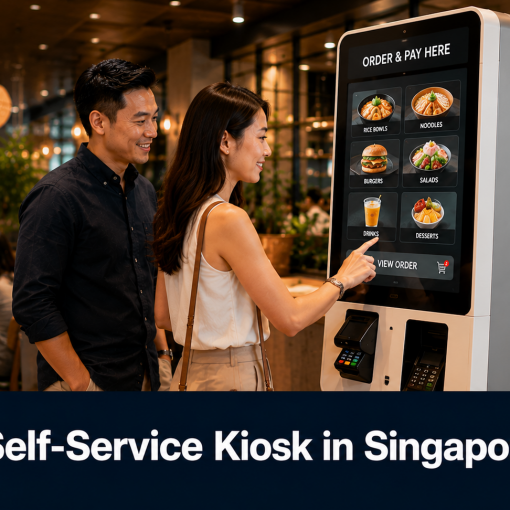
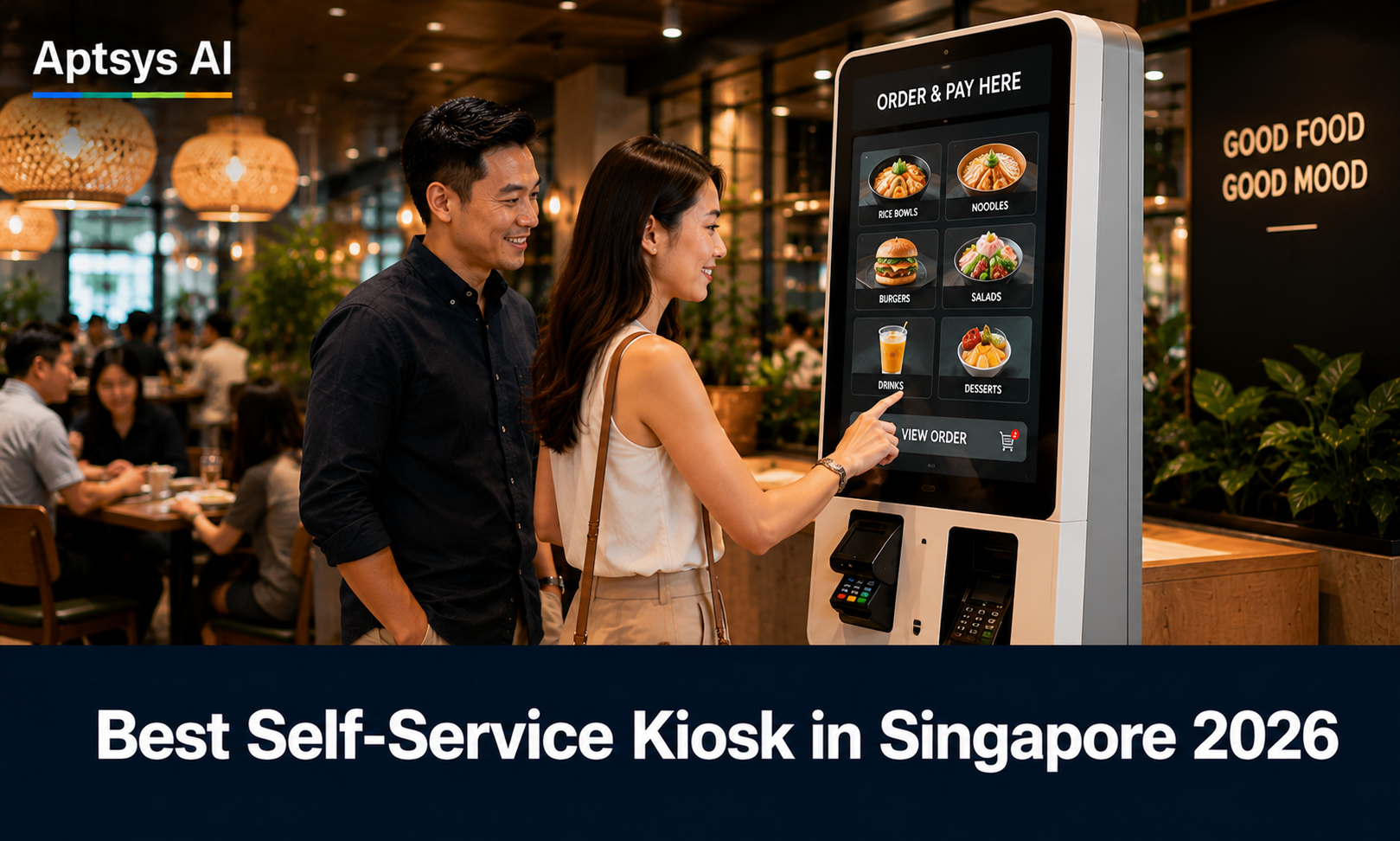
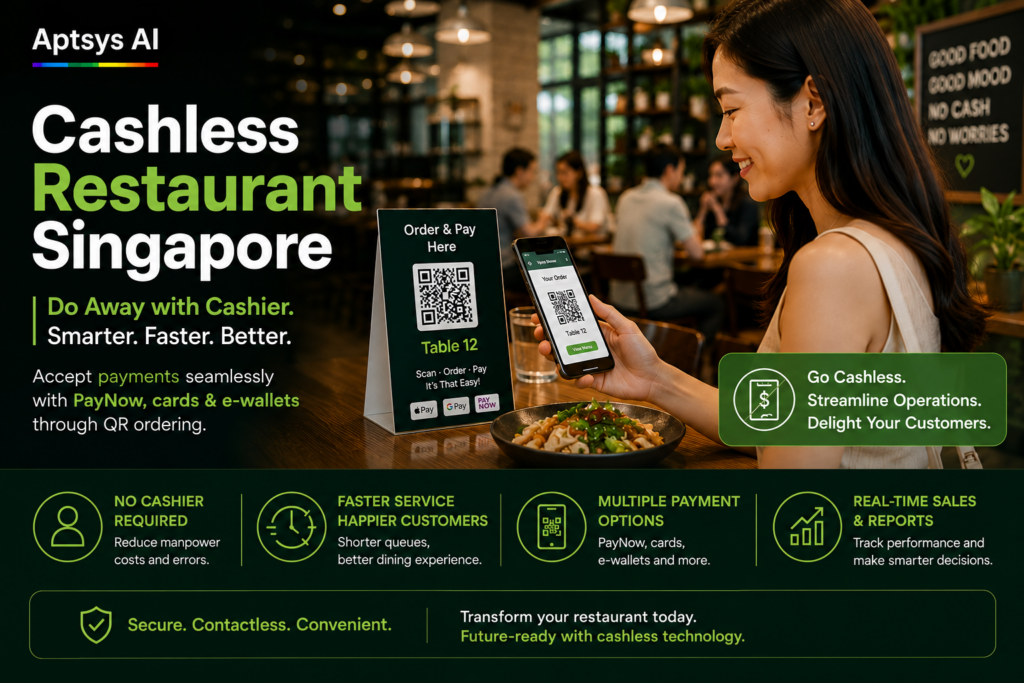
Jade POS and the Aptsys self-service kiosk are connected to the NETS terminal through ECR integration. Customers can pay with ATM cards, POSB Smart Buddy and EZ-Link (where enabled), at the counter or at the kiosk, with no staff needed to key in amounts. iOrder QR ordering lets guests order and pay from their own phones, and Aptsys CRM stored value gives students and other customers without a card a prepaid member account.