From October to New Year’s Eve, every Singapore restaurant gets the same problem in a different form. Company dinners, year-end parties, Deepavali and Christmas gatherings all land on the same Friday and Saturday nights. Restaurant overbooking in Singapore peaks in exactly these weeks — not because operators are careless, but because bookings arrive from too many places at once.
A double-booked table at 7.30pm on a December Saturday costs you more than one awkward conversation. It costs you a guest who tells their whole group chat. Here is how to prevent it without turning bookings away.
Why restaurant overbooking happens in Singapore
Most overbooking is not a capacity problem. It is a visibility problem.
A typical outlet takes reservations through WhatsApp, phone calls, Instagram DMs, a website form and walk-ins asking “later got table?”. Each channel is handled by whoever is free. The supervisor confirms a 10-pax booking on WhatsApp while a cashier writes a 6-pax call into the paper book for the same slot. Nobody is wrong. Nobody had the full picture.
In a quiet month, you absorb the mistake. In peak season, every table is already spoken for, so one slip becomes a guest standing at the door with nowhere to sit.
Set capacity rules before peak season, not during it
The fix starts with numbers you decide once, not judgement calls made at 7pm.
- Capacity per time slot, not per night. Decide how many covers and how many large tables you can seat at 6pm, 7.30pm and 9pm. A restaurant that can seat 80 cannot necessarily start 80 covers in the same 15 minutes — the kitchen sets the real limit.
- Realistic turn times. A 2-pax lunch might turn in 60 minutes. A 12-pax year-end dinner with speeches will not leave in 90. Block longer for large groups in December.
- Hold buffer tables. Keep one or two tables unbookable on peak nights. They absorb late-running groups, walk-in regulars and the inevitable mistake.
- Cap large groups per slot. Two 15-pax parties starting at the same time will overwhelm a small kitchen even if you have the seats.
Write these down and give them to every person who takes a booking.
Plan for no-shows without gambling on them
Some restaurants deliberately overbook to cover no-shows. That is a gamble — and the one December night everyone does show up is the night you lose a table’s goodwill. Sell only the seats you actually have.
Then protect those seats by reducing no-shows:
- Confirm in writing. A booking confirmed in the same WhatsApp chat the guest used is far harder to forget than a verbal “ok can”.
- Send a reminder. A message the day before gives guests an easy way to cancel and gives you time to re-sell the table.
- Take deposits for peak dates and large groups. For Christmas Eve, New Year’s Eve and parties above a set size, a deposit turns a casual booking into a commitment.
Run every reservation through one place
The single most effective change is simple: one source of truth for availability. Every channel should check against — and write into — the same booking list.
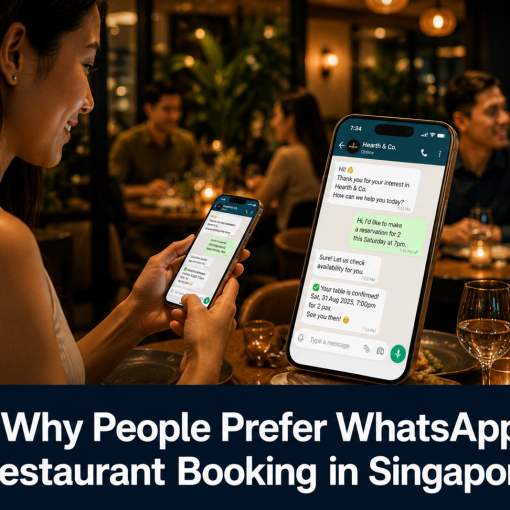
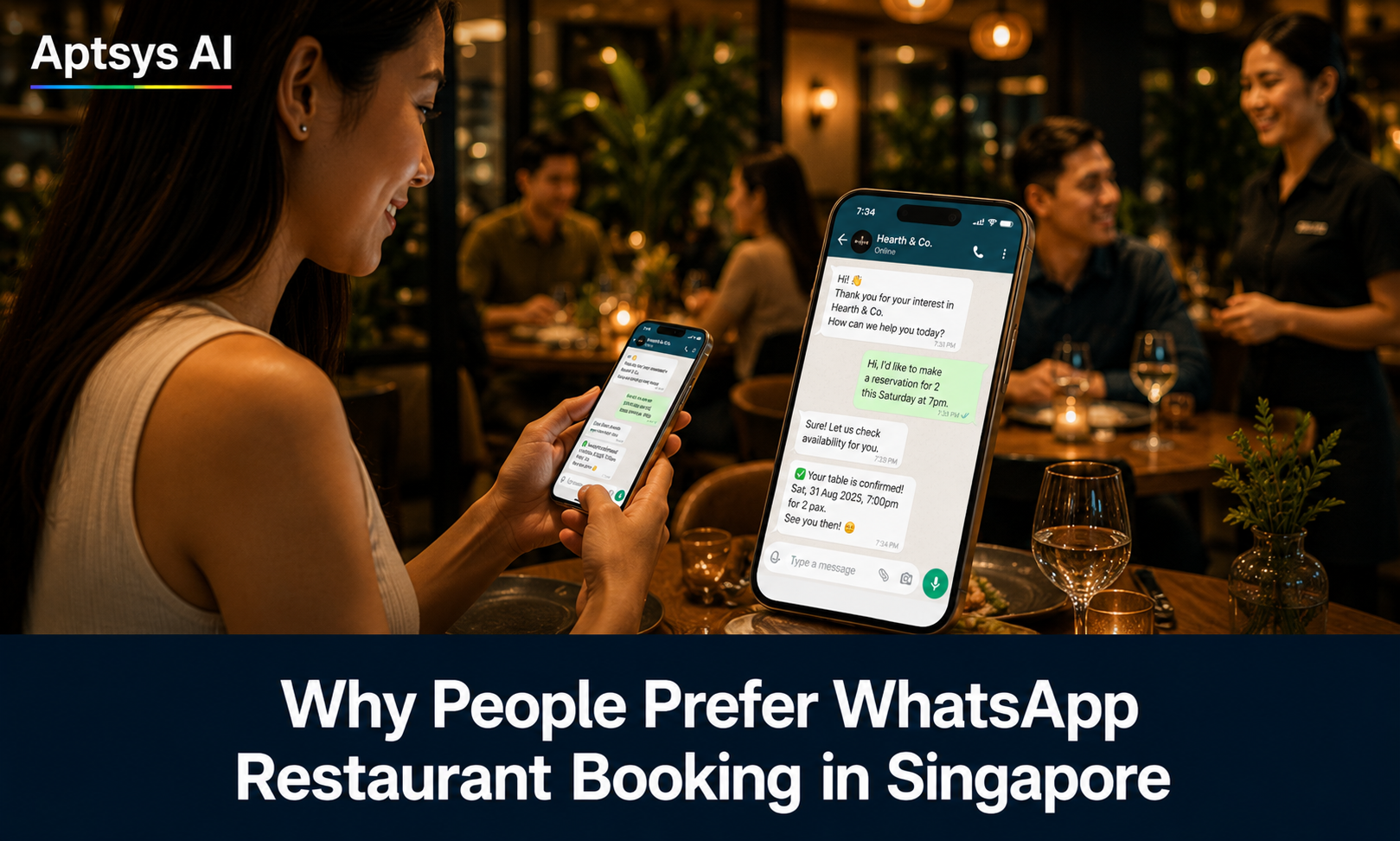
That is hard when your guests insist on WhatsApp. They message at 11pm, expect a reply in minutes, and rarely use a website form. So the booking channel guests prefer is often the one with the least control.
The overbooking nobody plans for: guests who overstay
Even with a perfect booking list, a table can still be double-booked in practice. The 6pm party is enjoying itself, orders another round, and is still seated when the 8pm booking walks in.
This is the most common peak-season clash, and it is an operations problem, not a booking problem. Fix it with clear timing:
- Set a dining duration for every timeslot — for example, 90 minutes for dinner on peak nights — and state it in the booking terms.
- Remind the table 30 minutes before time is up. A polite heads-up from the waiter (“just to let you know, we have another booking at 8pm”) is far easier than asking guests to leave.
- Rush any outstanding dishes at the same time. If a main or dessert has not gone out, push it to the kitchen now, so the table finishes on time instead of waiting for food.
How Bookwise prevents restaurant overbooking on WhatsApp
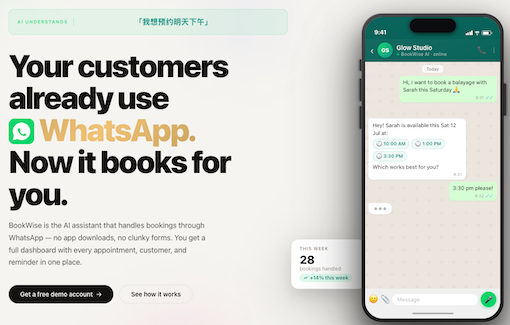
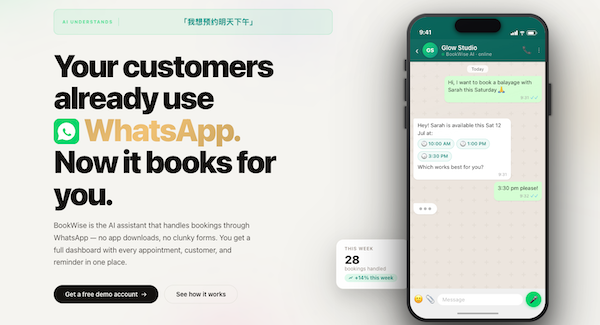
Bookwise is Aptsys’s WhatsApp AI reservation assistant, and it is built so overbooking cannot happen. You pre-allocate your table inventory for each timeslot, and the AI only confirms bookings against what is actually available — including requests that arrive at 11pm. When a slot is full, it offers the guest another time instead of squeezing them in.
Each timeslot also carries its own terms and conditions, including the dining duration. Guests see them when they book, so when your waiter reminds a table that their time is up in 30 minutes, it is a reminder of something they already agreed to — not an awkward surprise. That gives your team the cue to rush any outstanding dishes and turn the table on time.
Every booking lands in one list, and guest details flow into your CRM, so a December party booker becomes a member you can bring back in January.
Peak season will be busy either way. The question is whether it is profitable or chaotic.
See how Bookwise handles WhatsApp reservations → or book a demo with Aptsys.