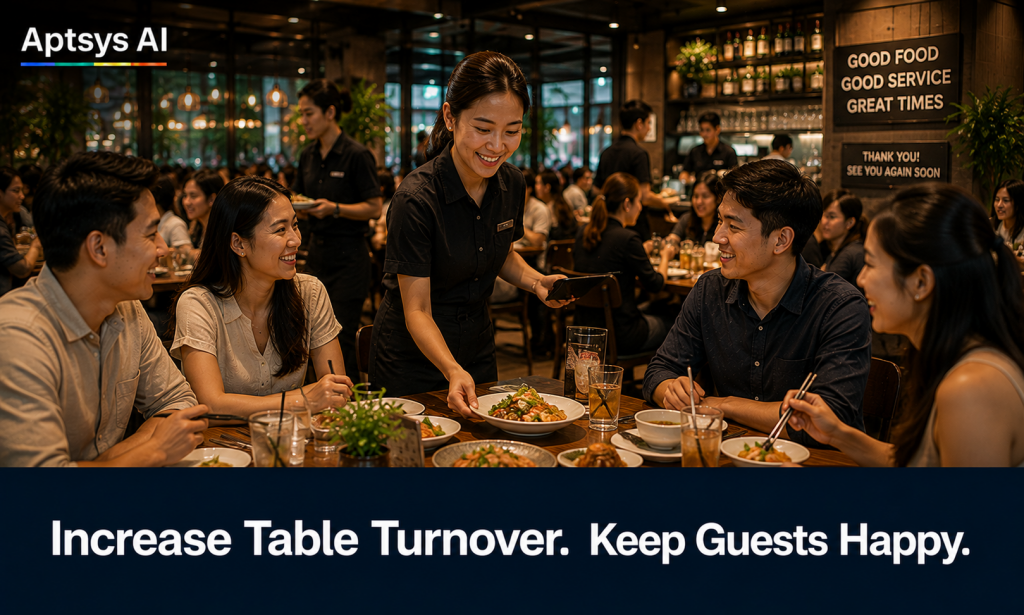
Table turnover is one of the few levers a Singapore restaurant can pull to increase revenue without raising prices, adding seats, or hiring more staff. A table that cycles in 55 minutes instead of 80 minutes doesn’t just feel more efficient — over a dinner service, it can mean one or two extra covers per table, which adds up fast.
Most restaurant owners know table turnover matters. What’s less obvious is where exactly the time goes — and which parts of the dining journey can actually be shortened without making guests feel rushed.
Where Time Gets Lost at the Table
Restaurant table turnover in Singapore typically breaks down across four moments: getting seated, placing the first order, waiting for the bill, and clearing and resetting for the next cover.
The first order is where the most time is lost in a staffed ordering model. A table of four is seated. They browse the menu. They need five minutes. Then another five. Someone has a question about a dish. A staff member is busy at another table. By the time the order is placed, fifteen to twenty minutes have passed since they sat down — and the kitchen still hasn’t started.
The bill is the second bottleneck. Guests decide they’re done. They wait for someone to bring the bill. They wait again if they’re splitting payment or if the cashier is occupied. In a busy service, this can add another ten to fifteen minutes to table time that generates zero revenue.
Clearing and reset is less variable, but still worth looking at — a table that took three minutes to clear and reset is available for the next cover three minutes sooner.
What Actually Speeds Up Turnover
The most effective single change most Singapore restaurants can make is removing the ordering wait.
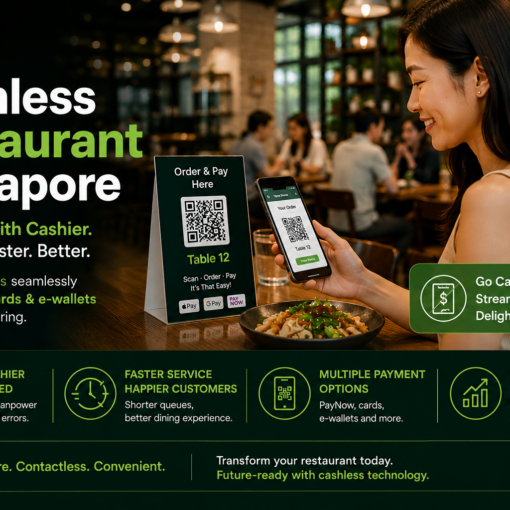
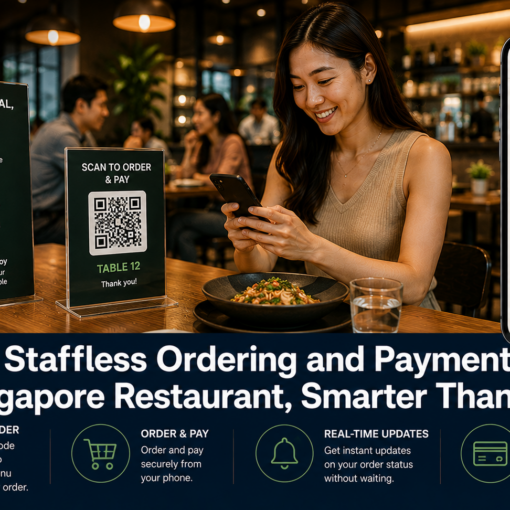
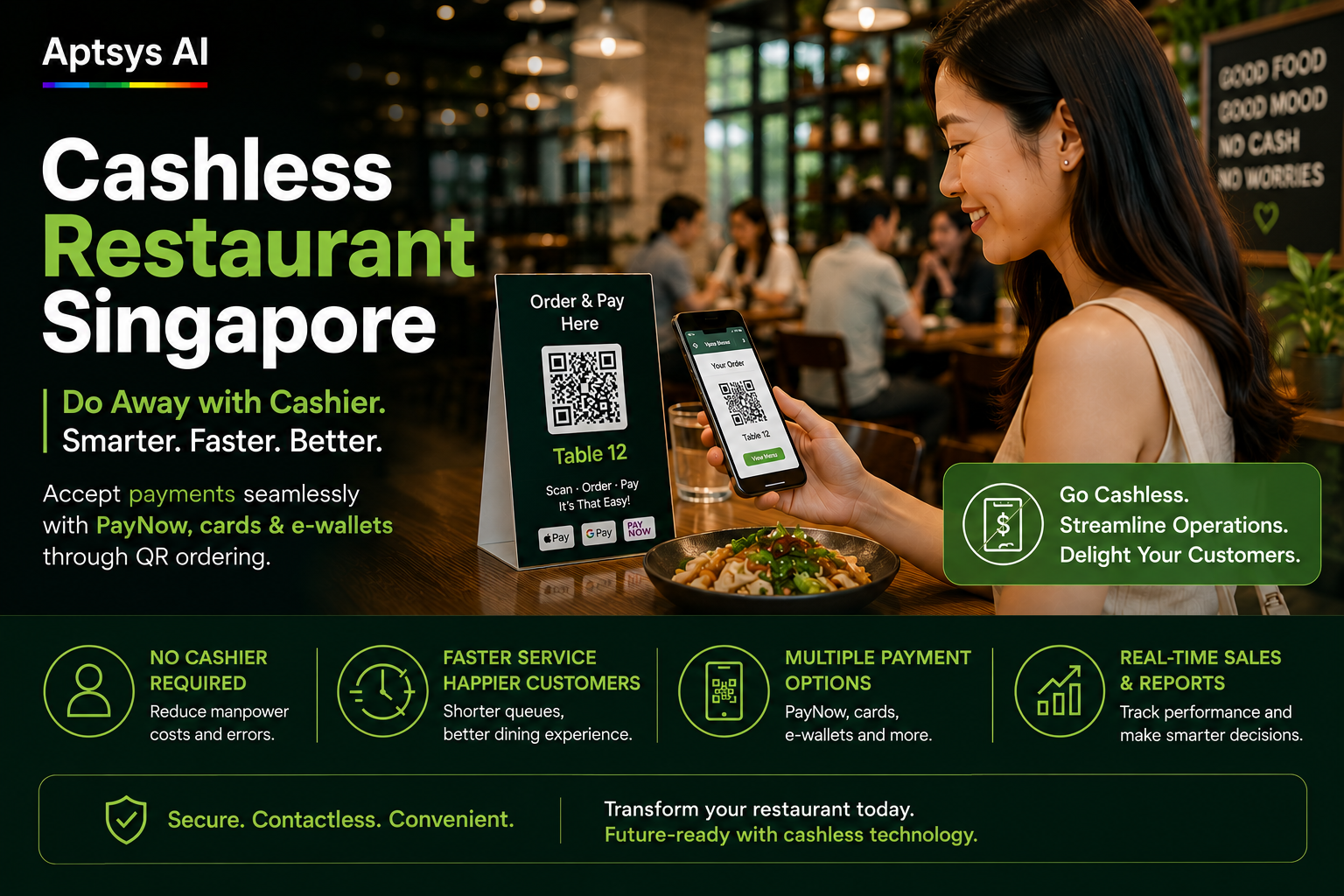
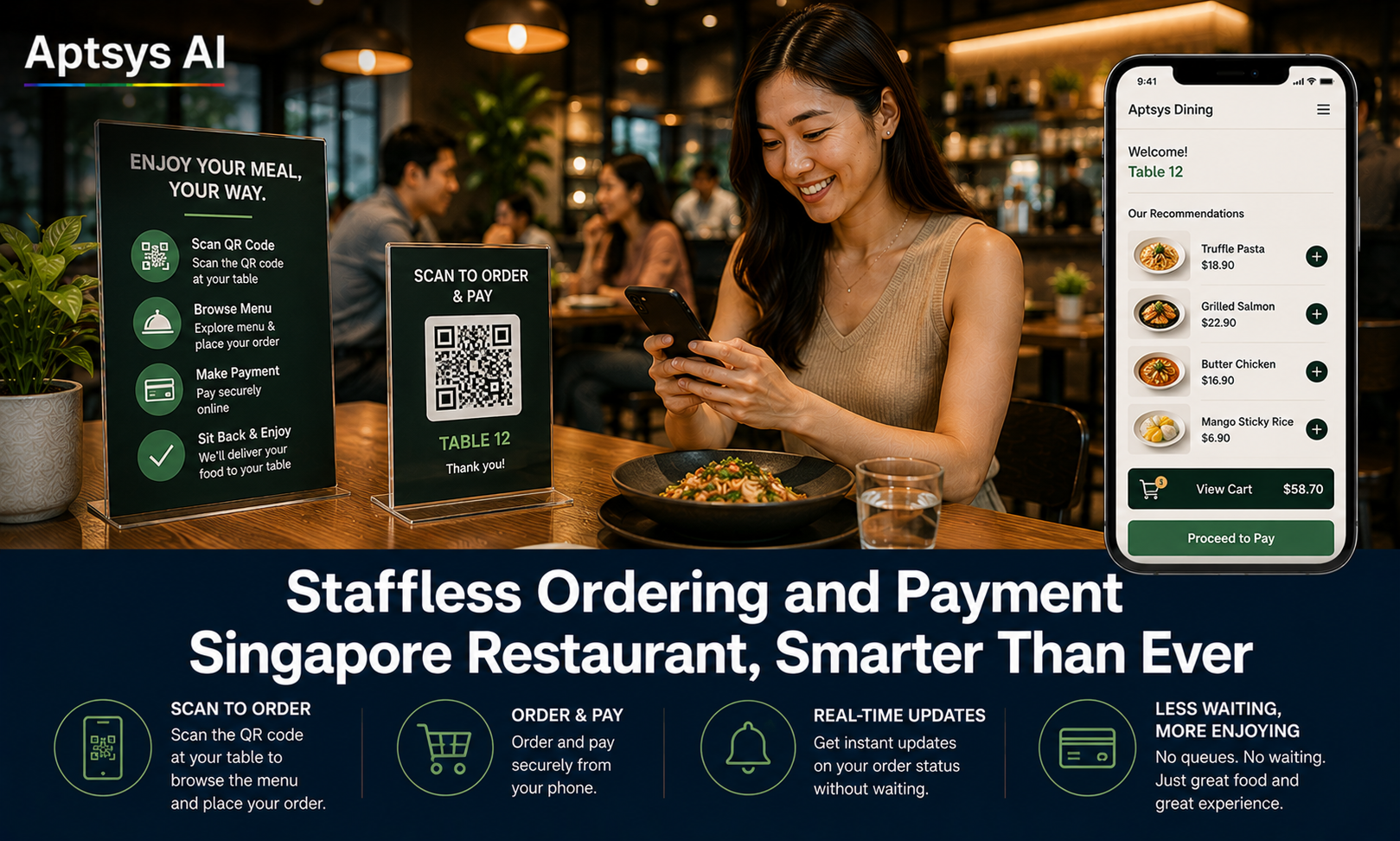
QR ordering eliminates the gap between a table being seated and an order reaching the kitchen. Guests scan, browse at their own pace, and submit the order directly from their phones. There’s no waiting for a staff member to become available. The kitchen receives the order the moment the table is ready — not five or ten minutes later when someone finally comes to take it.
The effect on turnover is consistent. When the first order reaches the kitchen faster, food arrives faster, and the natural rhythm of the meal moves forward. Tables that might have taken 75 minutes in a staffed model often complete the same meal in 55 to 60 minutes — not because guests are eating faster, but because the dead time between seated and ordering, and between finishing and paying, has been removed.
Pay-at-table through QR ordering solves the bill bottleneck in the same way. When guests can pay directly from their phones without flagging down staff, the final moments of the dining experience are in their control. Most guests pay and leave within a few minutes of deciding they’re done. The table is free sooner, and no one felt rushed — they left when they chose to.
Turnover Without Sacrificing Experience
The concern most operators raise is that faster table turnover comes at the cost of hospitality. It doesn’t have to.
The friction points that slow turnover — waiting to order, waiting for the bill — are not moments guests enjoy. Nobody is sitting at a Singapore restaurant thinking “I love waiting for a staff member to notice me.” Removing that friction doesn’t diminish the experience. It removes annoyance from it.
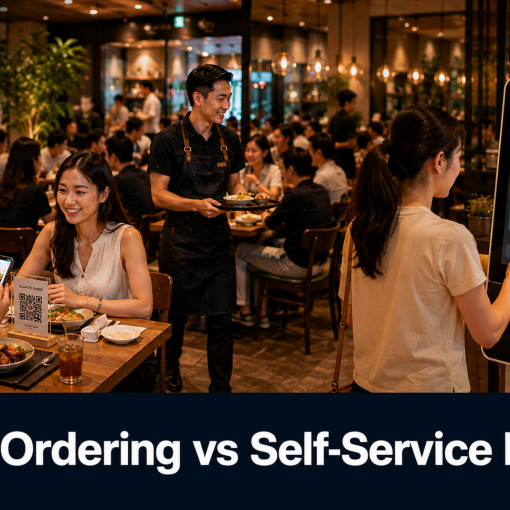
What guests value is the food, the atmosphere, and feeling attended to when they want something. QR ordering and self-pay handle the transactional parts of the meal efficiently, which frees your team to focus on the parts that actually matter — greeting guests warmly, answering questions about the menu, checking in on how the food is, and handling any issues quickly.
The Other Side of Turnover: Not All Tables Should Turn Faster
One nuance worth noting: table turnover is not a goal for every service format. A casual lunch spot where speed and efficiency are part of the experience is different from a fine-dining room where a long meal is the point. The right target depends on your format and your average spend per cover.
For most Singapore casual dining and quick-service F&B operators, however, faster turnover is simply more revenue from the same footprint. And the tools to achieve it without adding headcount or changing the dining experience already exist.
See how QR ordering improves table turnover for Singapore restaurants — aptsys.com.sg/aptsys-solutions/qr-ordering/ or speak to our team at aptsys.com.sg/merchant-information/.