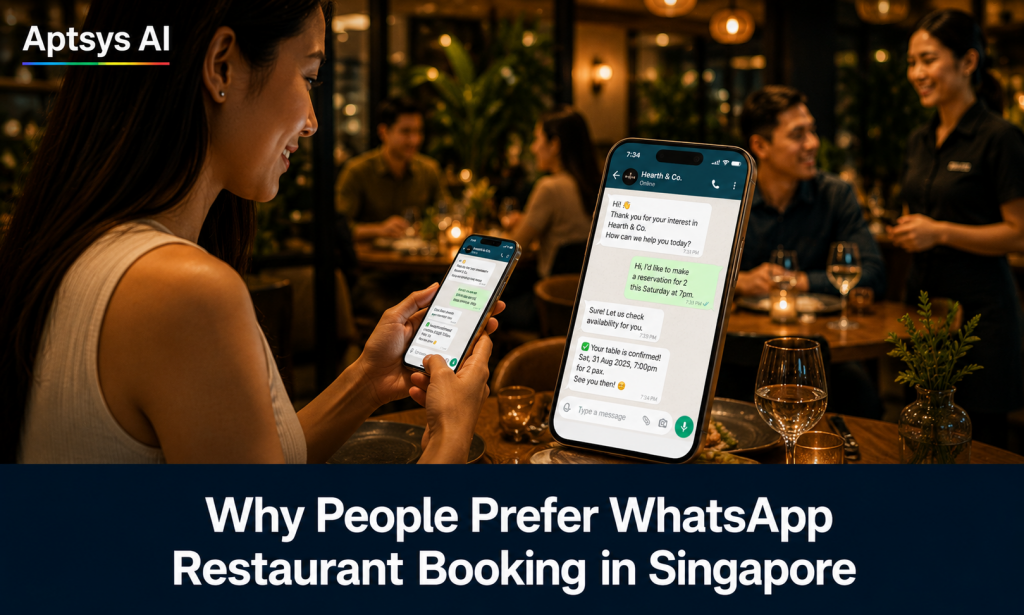
If you run a restaurant in Singapore and you still take reservations through a website form, you’ve probably noticed the same thing: a lot of people message you on WhatsApp anyway. They skip the form entirely. They find your number somewhere — Google, Instagram, a friend’s recommendation — and they just send a message.
This isn’t a quirk of younger diners. It happens across the board. Understanding why is useful if you want to stop losing reservations to the gap between the booking method you offer and the one your customers actually want to use.
WhatsApp reservation in Singapore restaurants: why it wins by default
The short answer is friction. Website forms have it. WhatsApp doesn’t.
When someone decides they want to book your restaurant, they’re usually already on their phone. WhatsApp is open. Your website isn’t. To get to your booking form, they have to find your website, navigate to the right page, fill in required fields — name, number of guests, date, time, phone number, sometimes a note — and then wait for a confirmation email that may or may not arrive in their inbox.
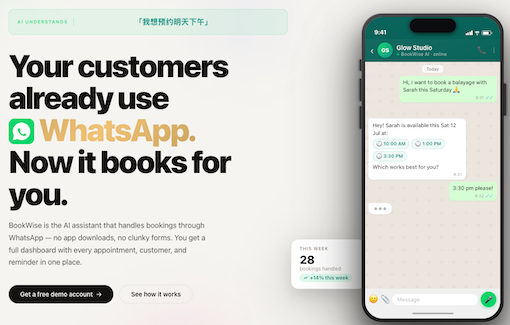
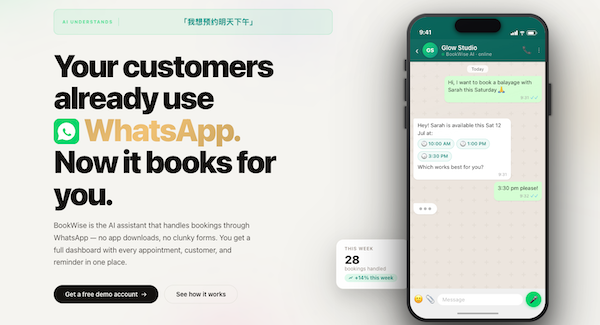
On WhatsApp, they type two sentences. Done.
It’s not just younger diners
The assumption that WhatsApp-first behaviour belongs to younger Singaporeans gets it wrong. WhatsApp penetration in Singapore is effectively universal across all age groups. Diners in their 50s and 60s often prefer WhatsApp more than a website form, not less — because they’re not comfortable navigating unfamiliar websites, but they use WhatsApp every single day to communicate with family, friends, and businesses.
A 60-year-old diner who wants to bring her husband for an anniversary dinner is not going to hunt for your reservation page. She’s going to message you. If you’re not set up to receive that quickly, she books somewhere else.
The confirmation problem with website forms
Even when customers complete a website form, the experience isn’t clean. The confirmation email lands in a different app they have to open. It might go to spam. They have to remember to check it. If they want to make a change — add a guest, shift the time by 30 minutes — they’re back to square one, filling in a new form or calling the restaurant.
On WhatsApp, the conversation thread is the record. It’s right there the next time they open the app. Changes happen in the same chat. No email to dig through. No phone tag with a staff member.
What this means for your restaurant
If your only reservation channel is a website form, you’re probably receiving fewer bookings than you could be — and losing some of those customers to restaurants that are easier to reach.
The alternative isn’t to abandon structure. A WhatsApp reservation system like Bookwise handles the conversation automatically: it confirms the date and time, checks table availability, captures the diner’s number, and sends a reminder before the booking — all inside WhatsApp, without your staff spending time on back-and-forth messages.
The customer gets the channel they already prefer. You get a complete booking record without the manual work.
The channel your customers already use
The reason people prefer WhatsApp for restaurant reservations in Singapore isn’t complicated. It’s the app they’re already in. It feels like talking to a person. It’s fast. The confirmation lives in the chat.
If your restaurant is making customers leave WhatsApp and navigate to a form to make a booking, some of them won’t bother. The ones who do will have a slightly worse experience than if you’d just let them message you.
Bookwise makes that possible — WhatsApp-based reservations, automated confirmation, no staff time required. See how it works →