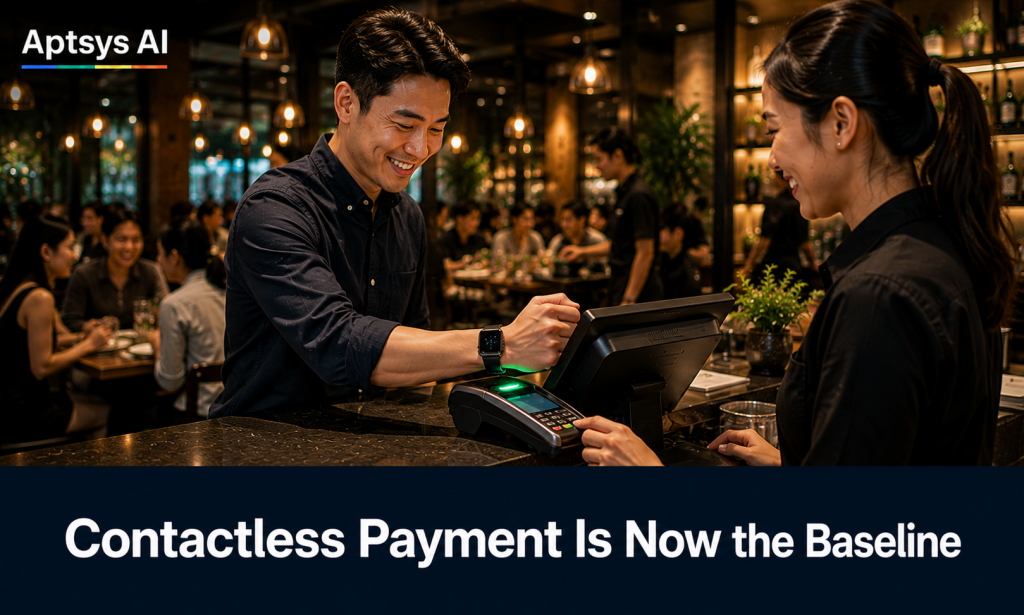
Contactless payment stopped being a differentiator for Singapore restaurants some time ago, even if a lot of marketing still treats it like one. Tap-to-pay, QR code payment, and mobile wallets are now the default expectation, not a feature guests notice or choose a restaurant for. If your ordering flow doesn’t support it, that’s a complaint. If it does, that’s just table stakes.
This matters because a lot of restaurants are still investing as if going contactless is the finish line, when it’s actually just the starting point.
Contactless Payment Alone Doesn’t Move the Needle Anymore
A guest tapping their card or scanning to pay tells you almost nothing about them, and it doesn’t do anything for your restaurant beyond closing the transaction. On its own, contactless payment is a convenience feature — it removes friction, but it doesn’t build a relationship, generate repeat visits, or give you any usable data about who just walked out your door.
Restaurants that stop at “we accept contactless payment” are competing on a feature every restaurant already has. That’s not a competitive position — it’s just not being behind.
Where the Real Differentiation Has Moved
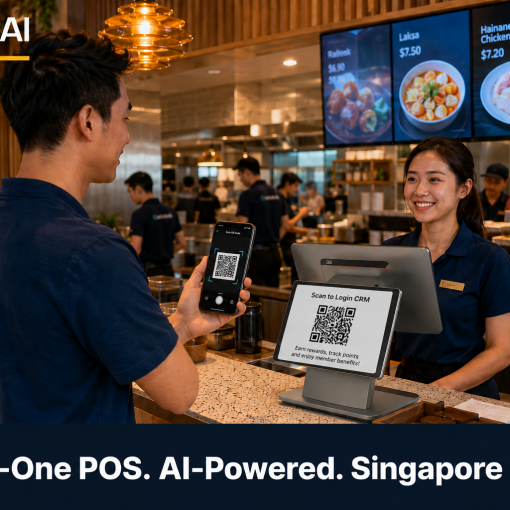
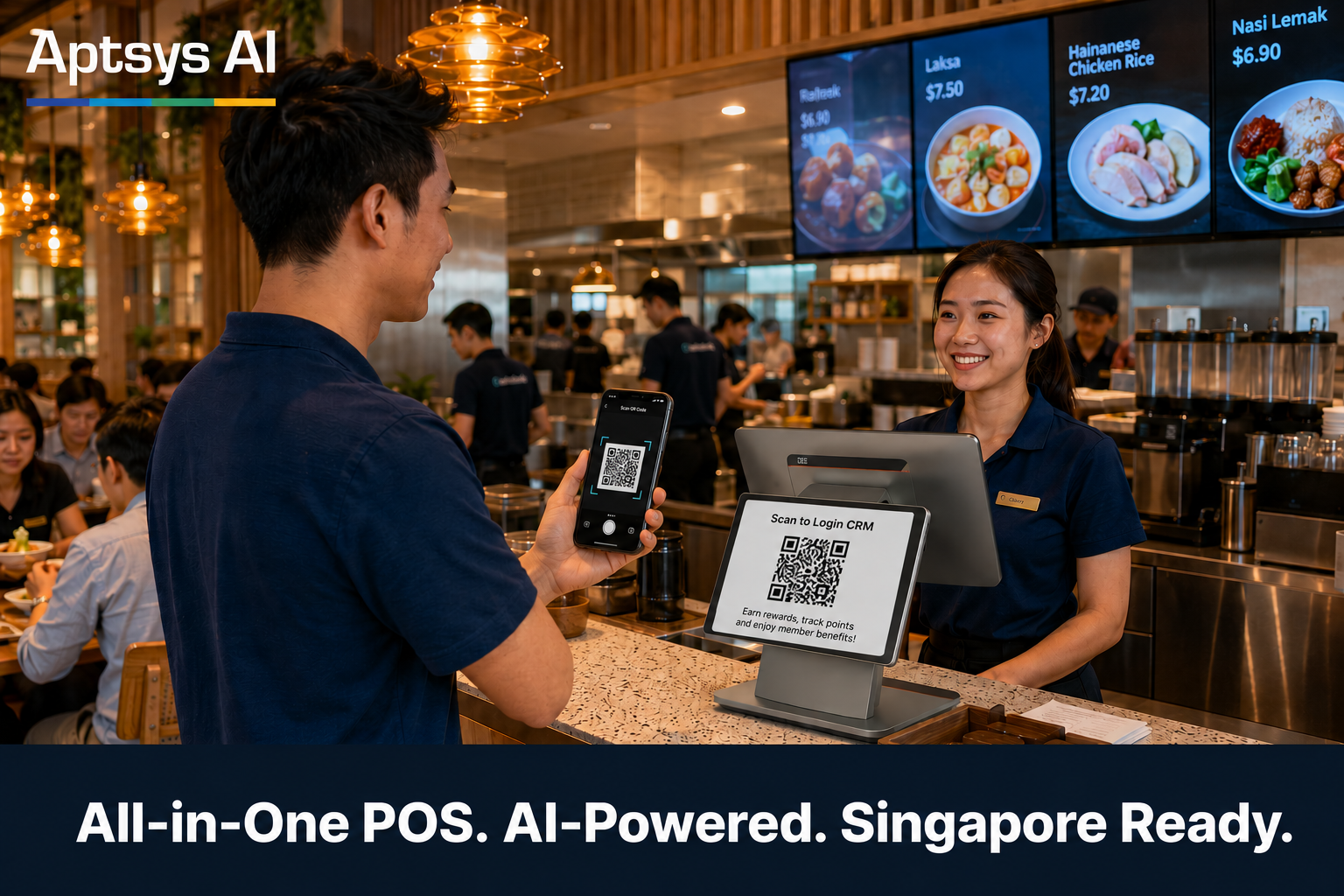
What happens after the tap. When payment data connects to a CRM and loyalty system, a single transaction becomes more than a closed sale — it’s a loyalty point accrual, an updated guest profile, and a trigger for a follow-up offer or re-engagement message. The payment method is the same tap; what happens next is what actually differentiates one restaurant from another.
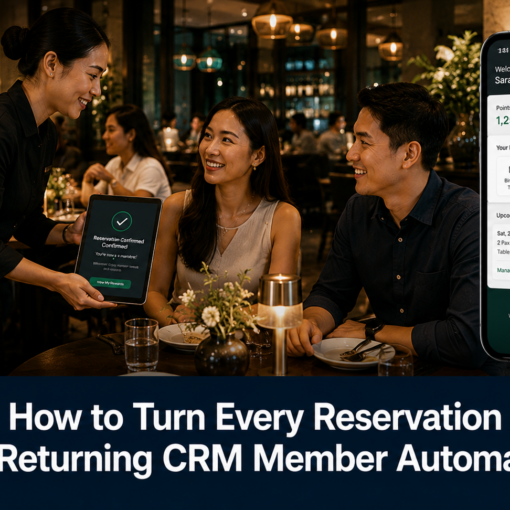
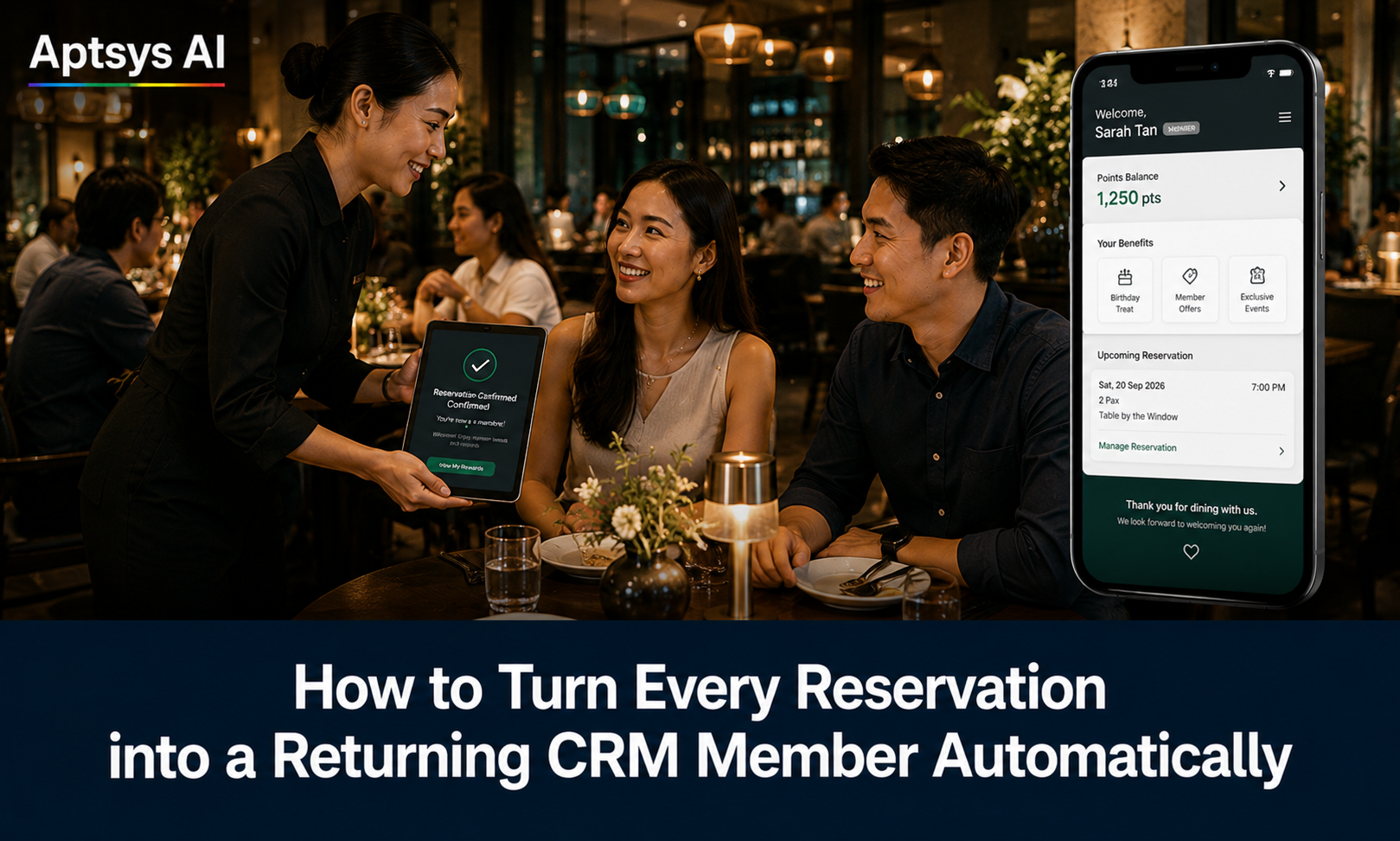
Recognising returning guests. A payment on its own doesn’t know if the guest has been in five times or is a first-timer. A connected system does — and can use that to greet them by name, apply a member discount automatically, or surface a voucher earned from a past visit.
Reducing friction elsewhere in the visit. Guests have stopped noticing “we take QR payment” and started noticing whether the whole ordering experience is smooth — fast menu loading, accurate orders, visibility into what others at the table ordered, and no need to flag a server just to check something. Payment is one step in a much longer chain, and it’s the least memorable part of it.
Data that compounds over time. Every connected, contactless transaction adds to a growing picture of guest behaviour — what they order, how often they return, what offers actually bring them back. A payment processed in isolation gives you none of that. A payment tied into your CRM gives you a dataset that gets more valuable with every visit.
What This Means for Your Technology Decisions
If you’re evaluating new ordering or payment technology, “does it accept contactless payment” is no longer a meaningful question — assume it does. The better questions are:
- Does this payment flow update a CRM record automatically, or does it end the moment the transaction closes?
- Can a returning guest be recognised and rewarded without a server having to remember them?
- Does the data from every transaction feed back into decisions about menu, pricing, and promotions — or does it just sit in a payment log?
How Aptsys Builds Beyond the Tap
Aptsys’s iOrder QR ordering and Jade POS treat contactless payment as the starting point, not the destination:
- Every payment updates the guest’s CRM profile automatically — no separate step required
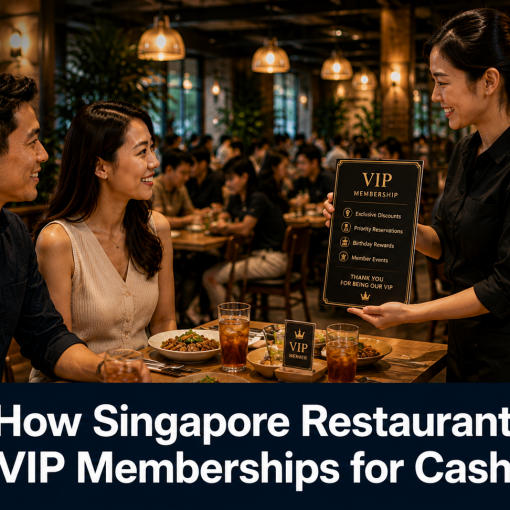
- Returning members are recognised at checkout and can be offered pricing or vouchers tied to their history
- Loyalty points accrue on every transaction without staff involvement
- Transaction data feeds directly into reporting, so you can see which offers and channels actually drive repeat visits
Getting Started
If your restaurant’s payment story still stops at “we’re contactless,” there’s a lot of value sitting unused on the other side of that tap.
See how iOrder connects payment to CRM and loyalty, or book a free demo to see it in action.